October Meeting

APL ACWhat: APL Astronomy Club monthly meeting
Where: Gibson Library room L-2
When: Wednesday, Oct. 17, noon to 1:00 pm

This month’s topics: “Recent discoveries of double asteroids and double stars by asteroid occultation” by club member Steve Conard. Steve will finally talk to us about the possible satellite for 911 Agamemnon! Also some club business and members’ observing reports.

Open to anyone with an interest in astronomy.

Other club events:
Tuesday, Oct. 16: Solar Observing, noon to 1 pm, building 200 cafeteria patio
Fall Star Party: Friday, Oct. 19 (rain date Nov. 16)


Solar Star Party

sunspots_2000_09_24

What: Solar Observing
Where: Building 1, Main Cafeteria Patio
When: Tuesday, Sept. 18, noon to 1:00 pm

Come view the Sun, our very own star, with the APL Astronomy Club. Count sunspots, see faculae and plages and maybe granulation and spicules, and compare the view through different kinds of equipment.

Open to anyone on campus who is interested.

This event is canceled due to rain. (9/18, 9 am, Helen)

September Meeting

APL ACWhat: APL Astronomy Club monthly meeting
Where: Gibson Library room L-2
When: Wednesday, Sept. 19, noon to 1:00 pm

This month’s topics: “The Badlands Star Party” by club member Mark Kochte. Mark’s report will make us all green with envy! Also some club business and members’ observing reports.

Open to anyone with an interest in astronomy.

Other club events in the wind:
Tuesday, Sept. 18: Solar Observing, noon to 1 pm, building 1 cafeteria patio
Fall Star Party: maybe Oct. 19, Maybe Nov. 16…


August meeting

APL ACWhat: APL Astronomy Club monthly meeting
Where: Gibson Library room L-2
When: Wednesday, August 15, noon to 1:00 pm

This month’s topics: Club equipment and budget request; members’ observing reports.

Open to anyone with an interest in astronomy.


Solar Star Party

sunspots_2000_09_24

What: Solar Observing
Where: Building 200 Cafeteria Patio
When: Tuesday, July 31, noon to 1:00 pm

In conjunction with the RBSP Teachers’ Workshop. Come view the Sun, our very own star, with the APL Astronomy Club. Count sunspots, see faculae and plages and maybe granulation and spicules, and compare the view through different kinds of equipment.

Open to anyone on campus who is interested.

If it’s too cloudy the event will be canceled. Check for a Weather Status Update on July 30th about 11 am.

Looking Up July 2012

Sun: By mid-July, the sun rises just before 6 am EDT, and sets about 8:30 pm EDT.

Moon phases: Full on July 3rd; third quarter on the 11th; new moon on the 19th; first quarter the 26th. On July 15, folks in Europe, northern Africa, and the Middle East will be able to view the Moon as it occults (covers) Jupiter; alas, the event will be over before Moon-rise in Maryland.

Evening Sky: Mars and Saturn are still high in the sky towards the south-west, and still in the constellation Virgo not too far from the bright star Spica. As the month progresses, these two planets appear to move closer together in the sky, and by the end of the month they will be only 8 degrees apart. Saturn reaches quadrature on the 15th, and that illumination angle gives an especially interesting view of the planet in telescopes. Mercury is quickly fading from view as it moves towards inferior conjunction on July 28.

Pre-dawn Sky: For those who are out before dawn, the morning sky holds a treat. Around 5 am EDT, the Pleiades star cluster, Jupiter, Venus, and the bright star Aldebaran form a line that stretches above the Eastern horizon. Venus is lowest in the sky, and the brightest of the set. As the month progresses, the planets will obviously move relative to each other, and relative to the Pleiades and Aldebaran. On July 13 through 16, the waning crescent Moon glides through the formation. The Moon will appear a little thinner and a little lower in the sky each morning. The 16th will probably be the last day it will be relatively easy to find, low above the eastern horizon.

That’s all for this month, and remember, Keep Looking Up! (Jack Horkhemimer, The Star Gazer)

Helen Hart, 1 July 2012; references: Sky and Telescope July issue; the Astronomical Calendar; Starry Night planetarium program; USNO Astronomical Data Services.


July meeting

APL ACWhat: APL Astronomy Club monthly meeting
Where: Gibson Library room L-2
When: Wednesday, July 18, noon to 1:00 pm

This month’s topics: Talk by club member Steve Conard: “A Satellite for 911 Agamemnon?” If you can’t make the meeting, check out Steve’s video on YouTube.

Open to anyone with an interest in astronomy.


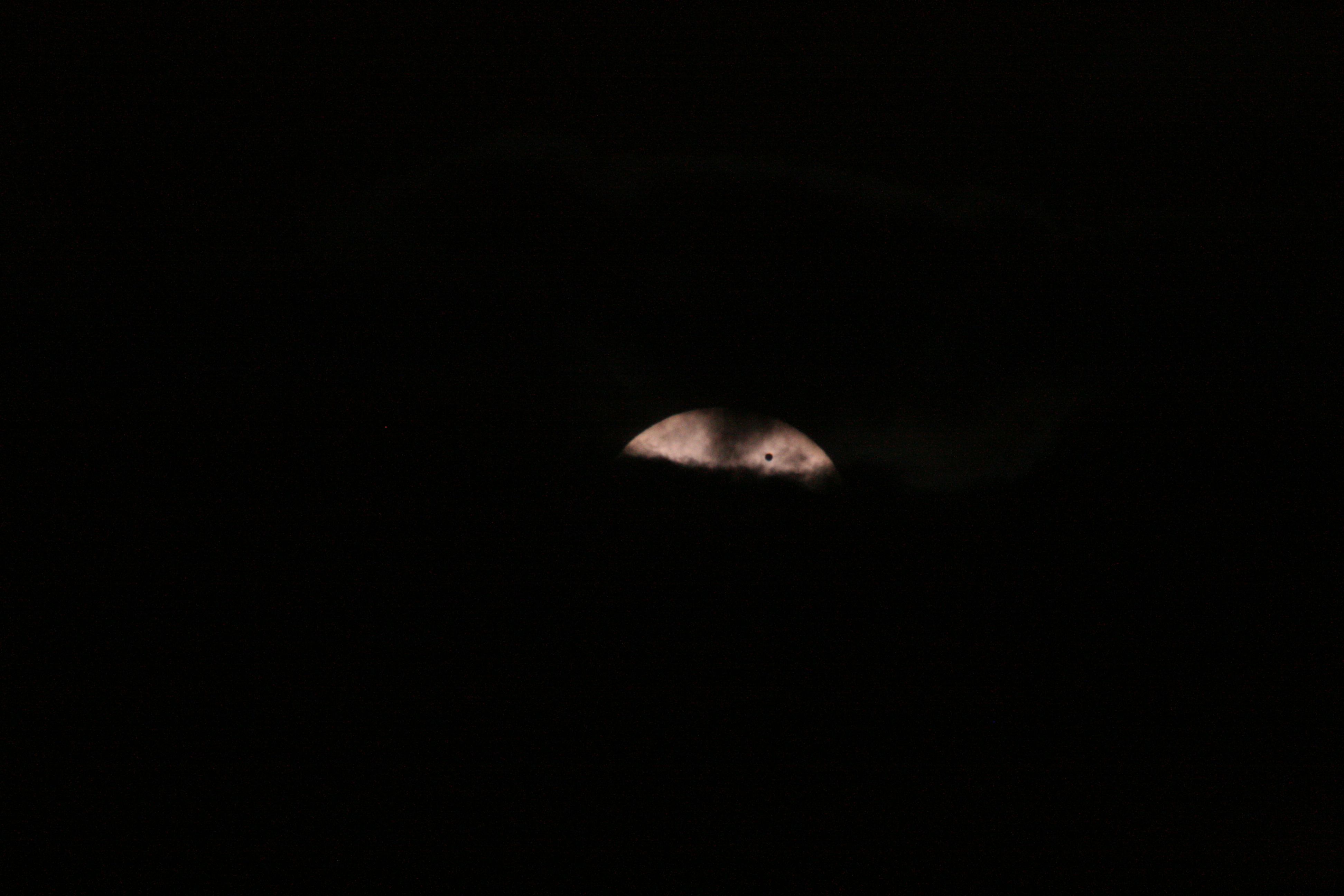
Venus Transit Party

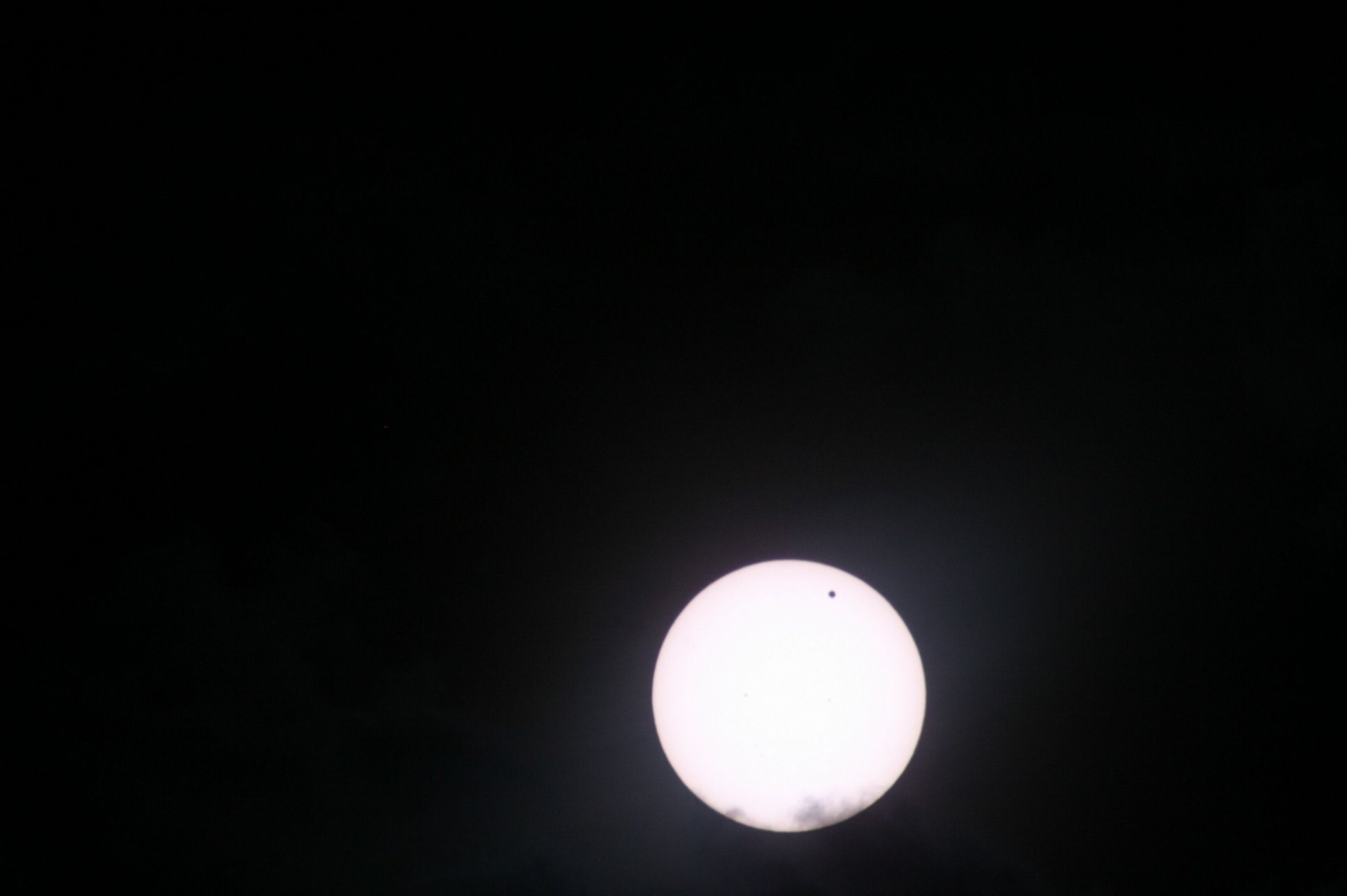
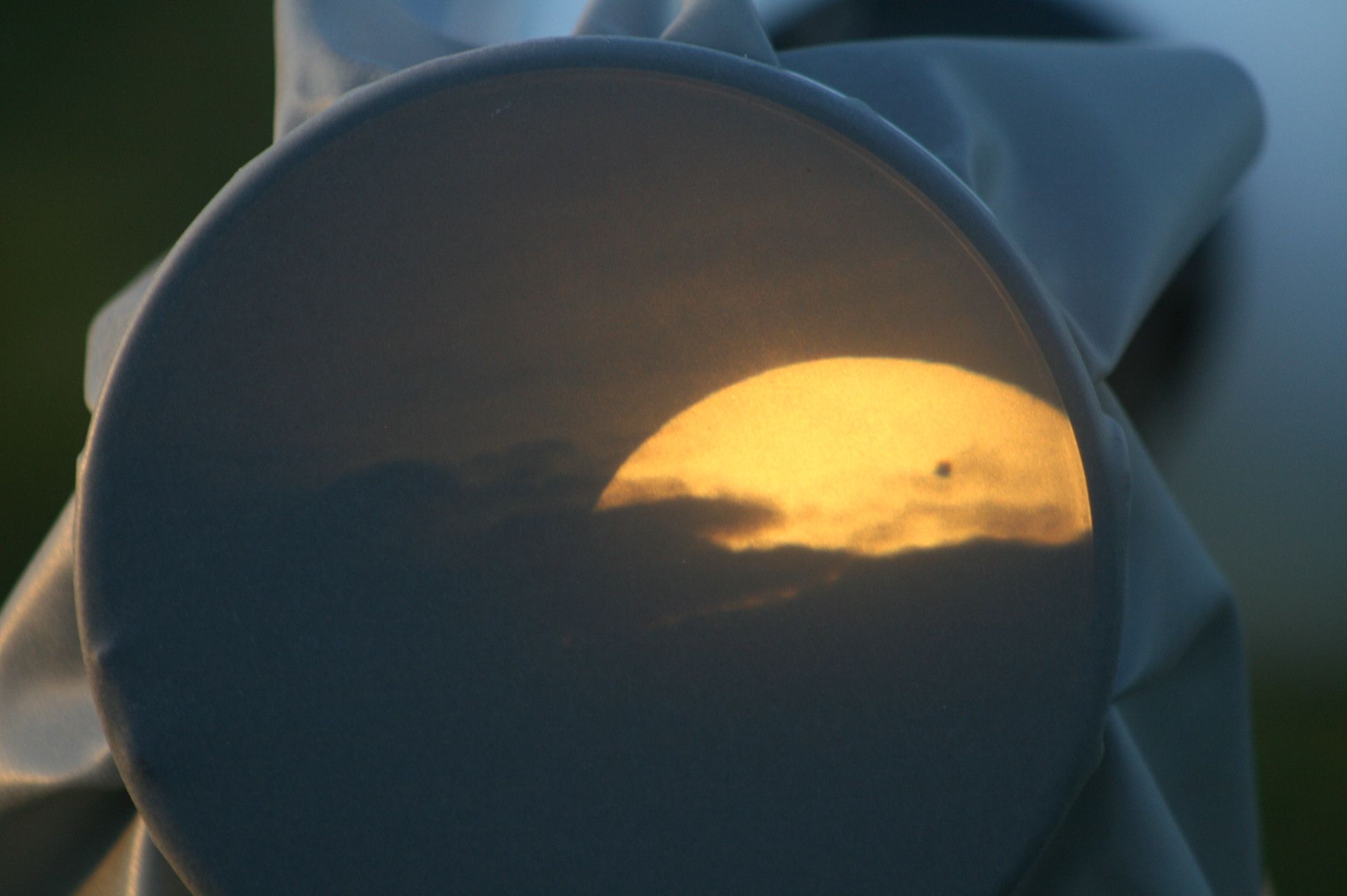
2004 Transit of Venus; APOD 2004, June 9; Credit & Copyright: Jimmy Westlake (Colorado Mountain College)What: Venus Transit Party, talk and viewing
Where: Bldg 200 lobby
When: Tuesday, June 5, 5:00 pm to 9:00 pm
The weather will be OK for viewing (50-60% cloud cover) (June 5, 2 pm EDT; this is the final weather update).

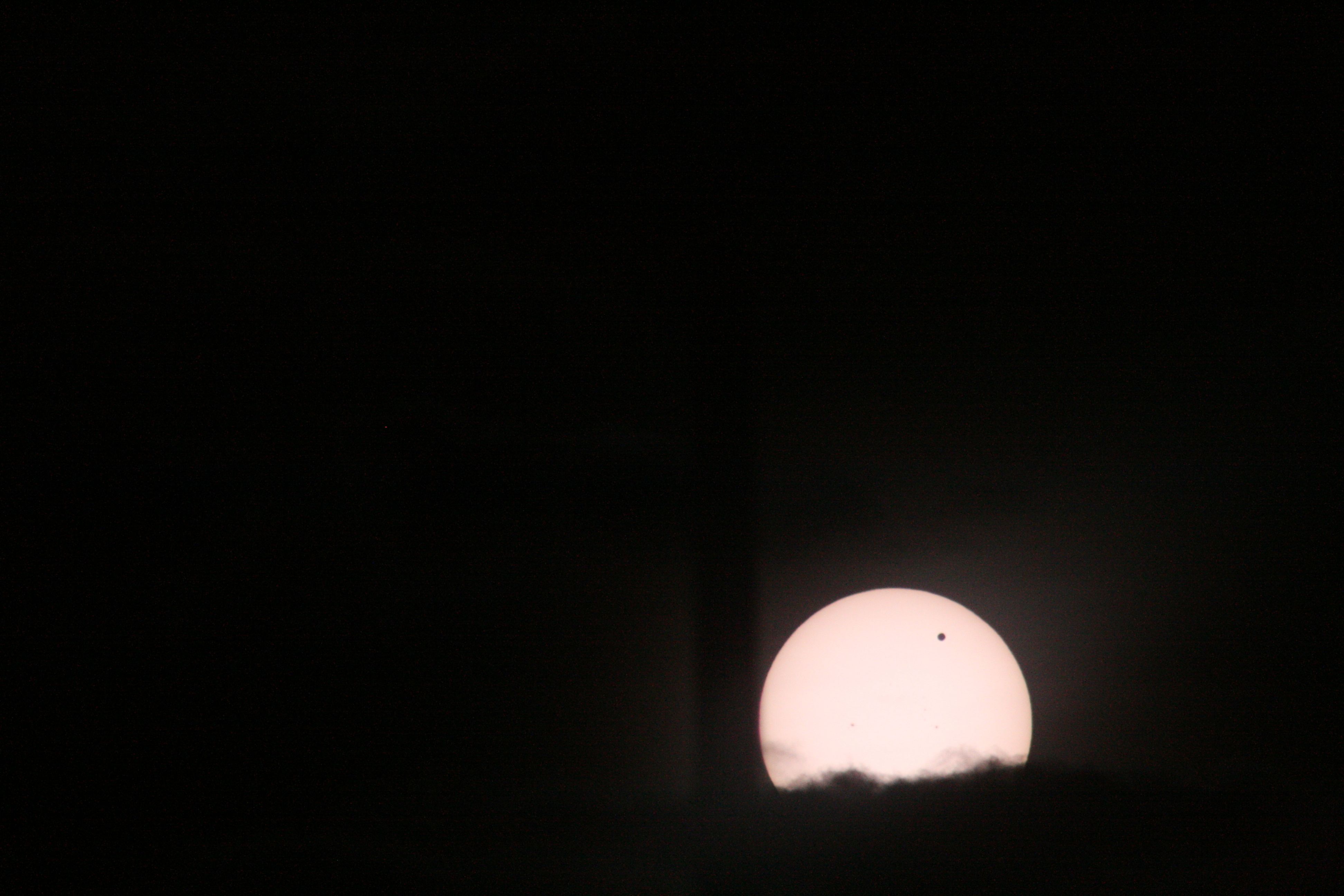
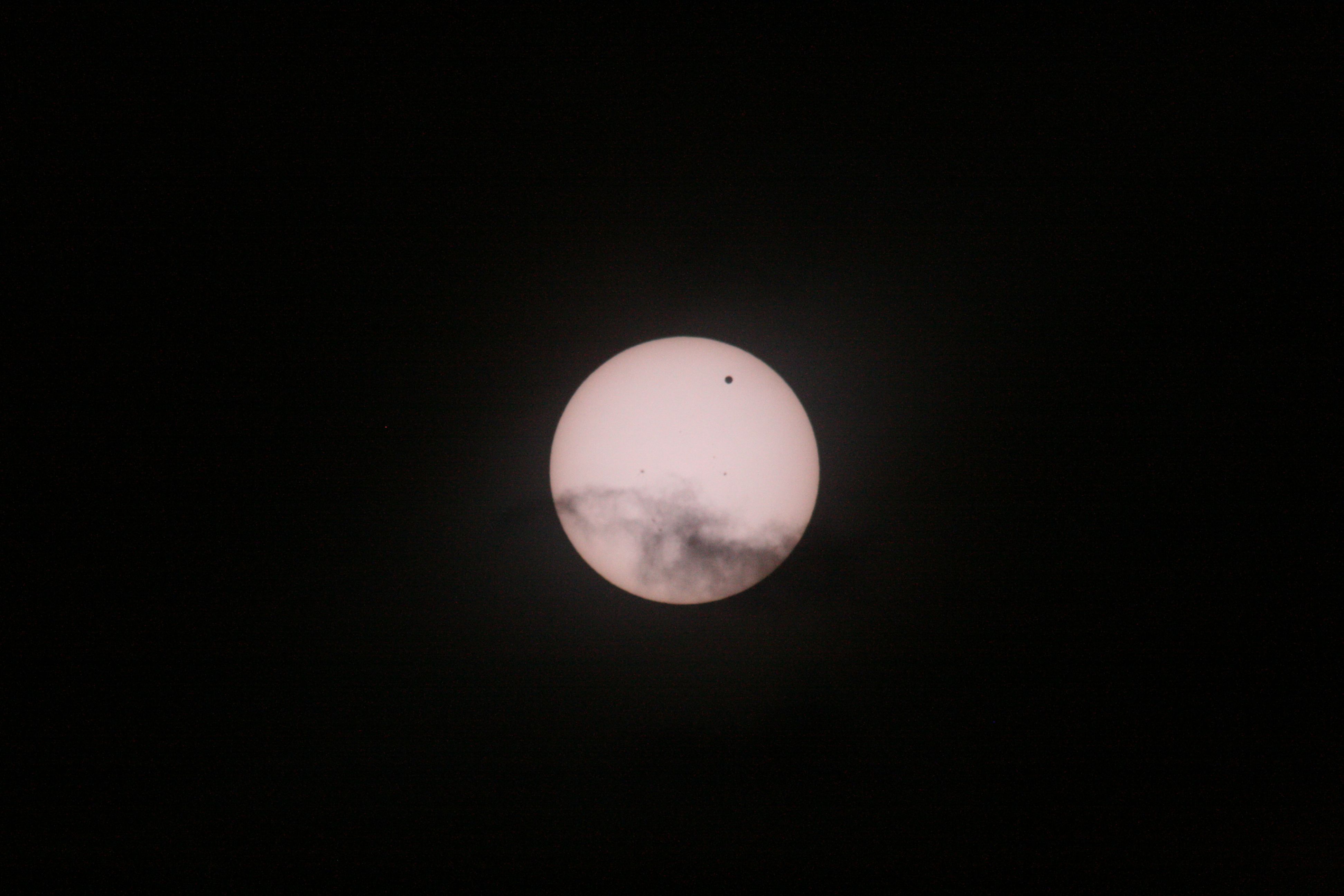
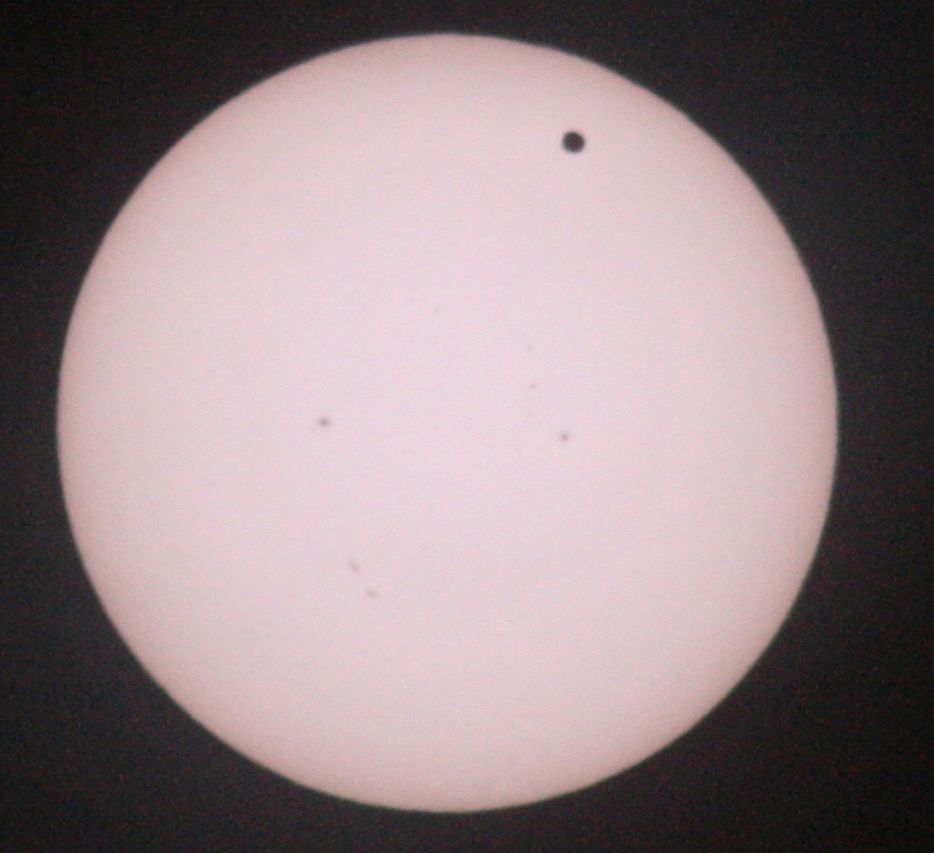
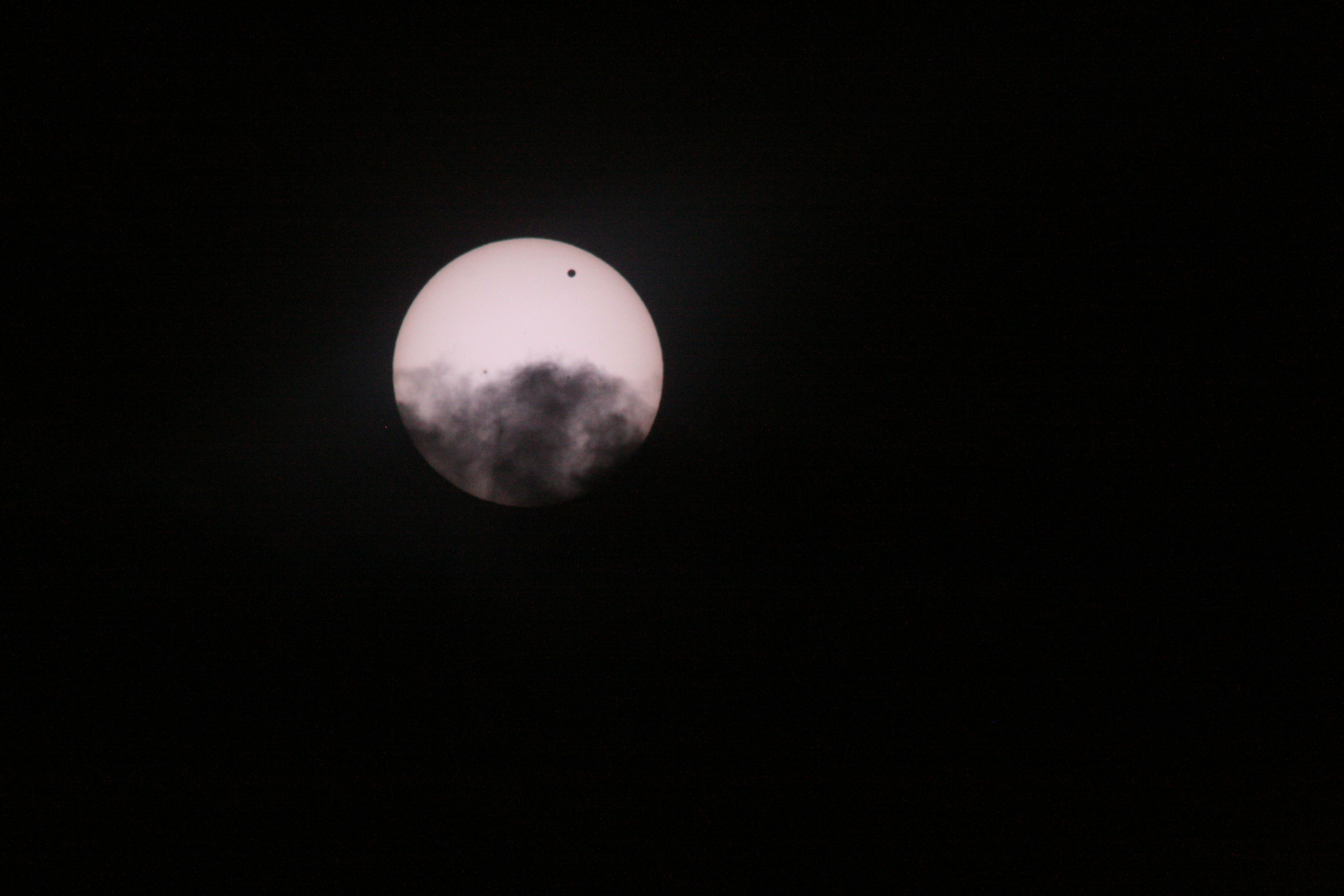
The APL Astronomy Club and the APL Space Department are hosting a Venus Transit Party on Tuesday, June 5th. APLers and their friends and families are invited. All activities are in public areas of the lab. Club members will have several telescopes out for your viewing pleasure, including 2 H-alpha ‘scopes and several large ‘scopes with white light filters.

Bring a picnic supper and join us to witness this historic celestial event! (Can’t join us at APL? Check this page for other viewing options in the area. Have to stay home? Try watching one of the simulcasts listed here (or click on the Resources link in the menu bar above).)

4:30 pm in the building 200 lobby: Light refreshments available.

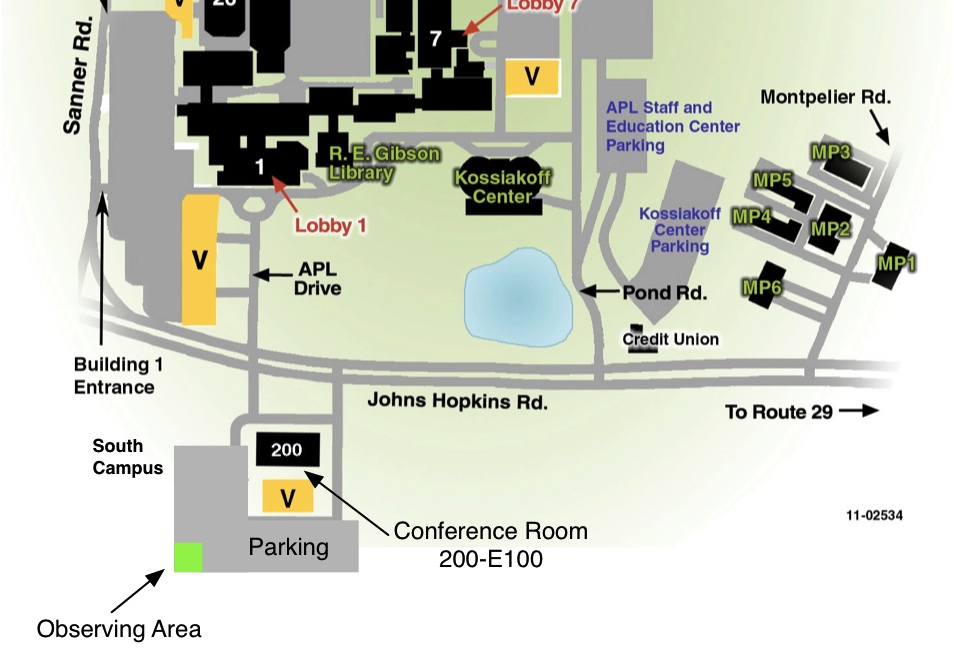
Bldg 200 Parking5 pm in Conference Room 200-E100: The Transit of Venus presented by club member Ron Farris. The talk will address the history and science of Venus transit observations, observing safety, and what to expect during the June 5th transit.

6 pm – 8:30 pm, SW corner of building 200 parking lot: Observe the transit with the club’s special solar equipment. Outside observing will be canceled if the sky is too cloudy. Observing will be located in the South West corner of the building 200 parking lot, which has the lowest North West horizon. Telescope set up starts at 4 pm. Transit begins at 6:05 pm EDT. Sunset is about 8:30 pm. If you own a ‘scope with a solar filter, bring it along and join us! (The club reserves the right to approve the safety of your set up.)

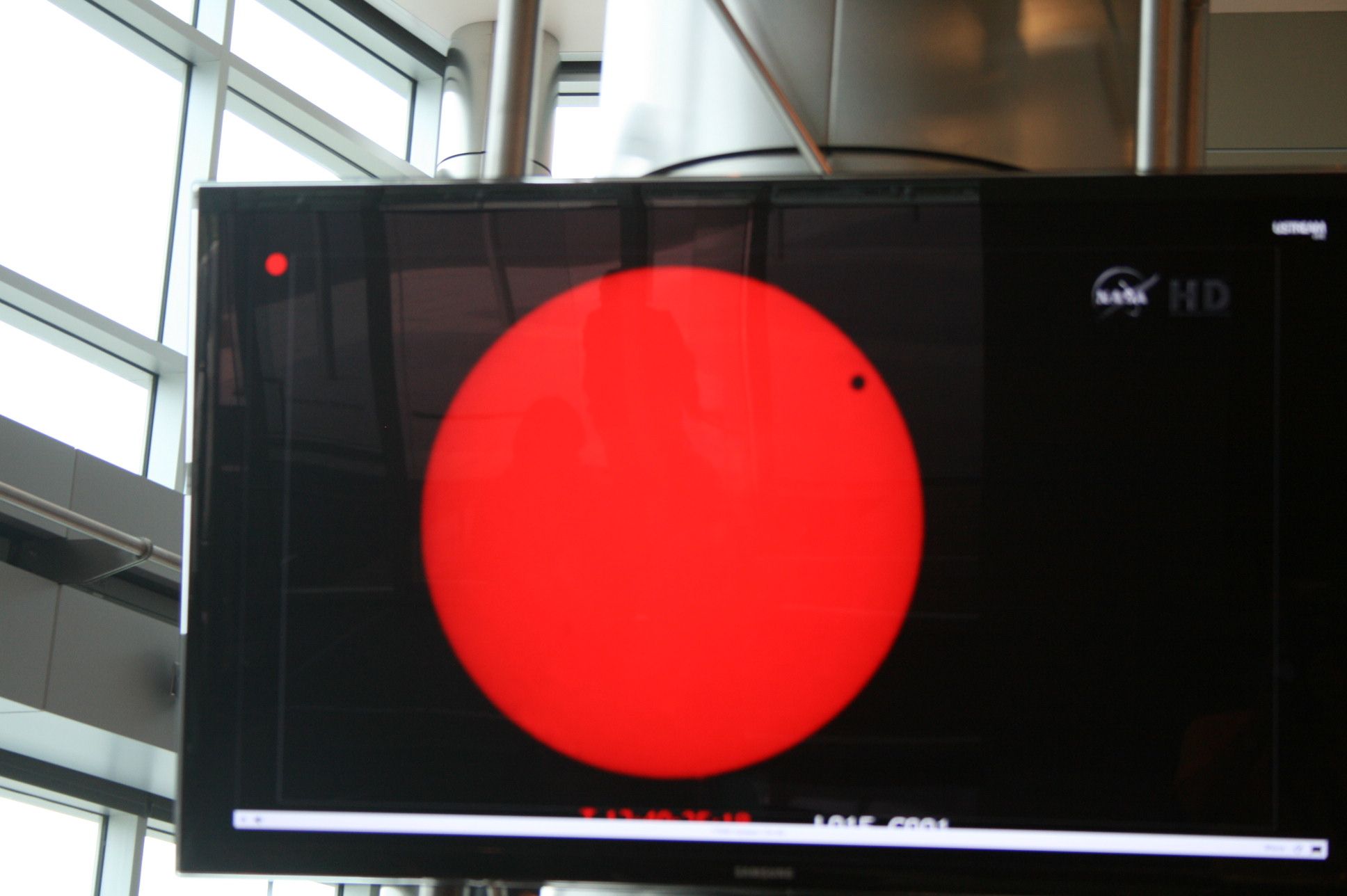
6 pm – 9 pm in the building 200 lobby and E100: Simulcasts of the transit from other observatories.

More information on the Venus Transit and Safe Solar Observing:
Transit of Venus dot org: apps, history, education, stuff to buy, etc. etc. etc.
Transits of Venus (Wiki)
2012 Transit of Venus (Wiki)
How to safely observe the sun.
What makes a safe solar filter?